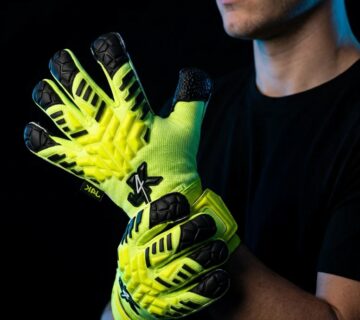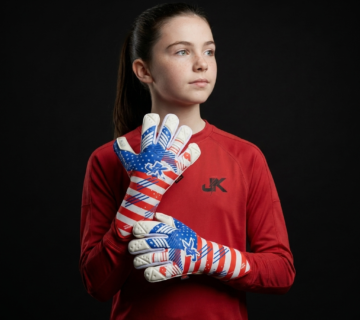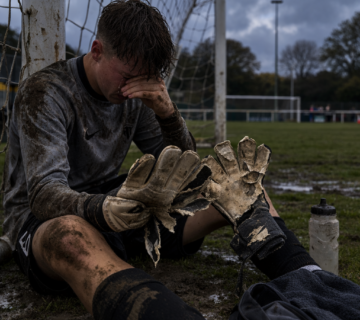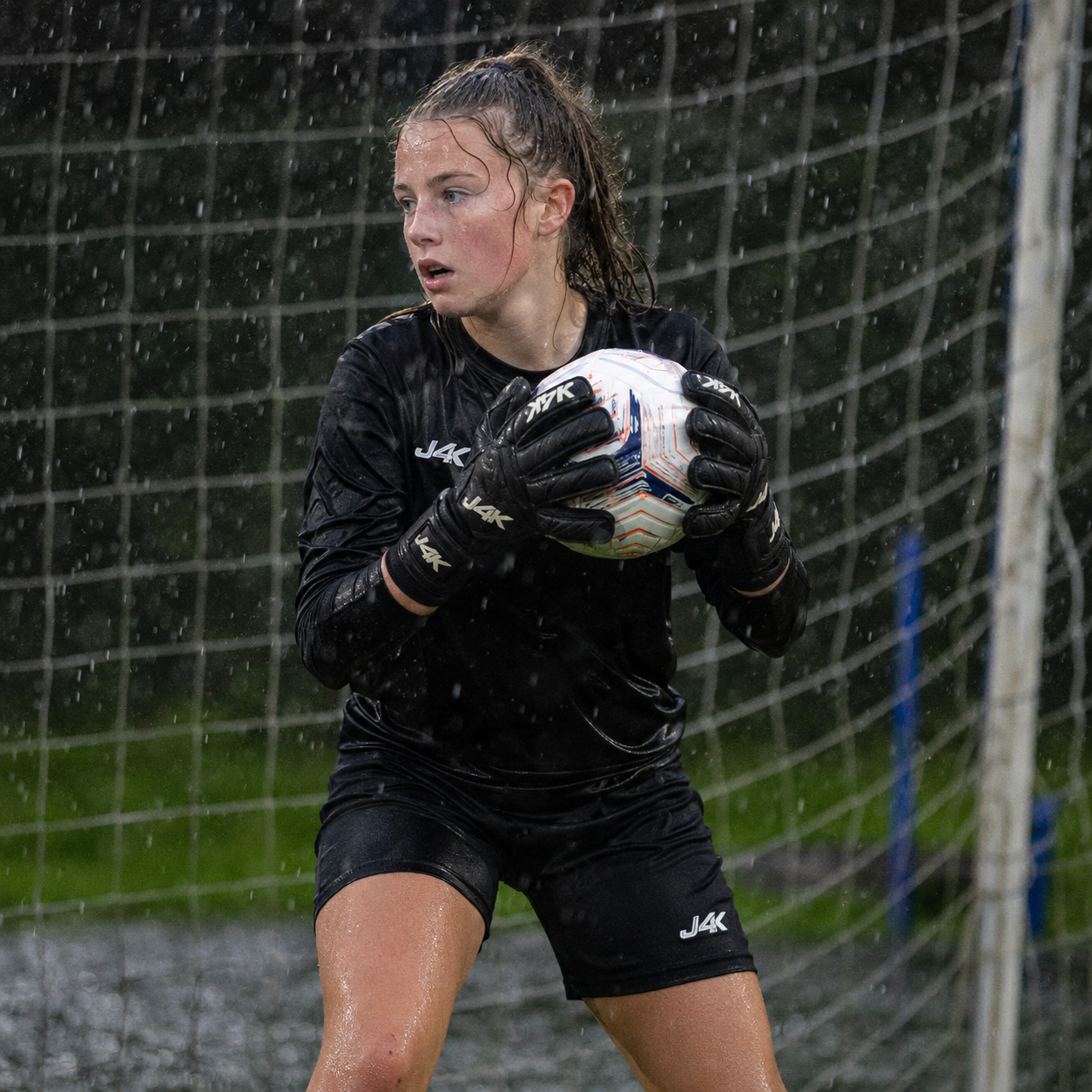
If you are searching for the best soccer goalkeeper gloves for wet weather, one of the most important things to understand is that choosing the right goalkeeper glove is not simply about the brand or model.
At J4K Goalkeeper Gloves, we have worked with goalkeepers for many years, from youth and club soccer through to the professional game, and one mistake I regularly see is goalkeepers buying gloves without paying enough attention to the palm.
The reality is simple:
When you play in wet conditions, the goalkeeper glove palm can be more important than the actual glove model.
For wet-weather soccer, there are two goalkeeper glove palms I would seriously consider:
Contact Foam
Giga Grip
Understanding the difference between these two palms can help you choose goalkeeper gloves that better match the weather and surfaces you actually play on.
I have also created a video called “Best Goalkeeper Gloves for Wet Weather” where I explain this subject in more detail.
If you prefer watching instead of reading, check out the video below and then use this article as a reference.
WATCH VIDEO – Best Goalkeeper Gloves for Wet Weather
Do Not Automatically Copy Your Favorite Professional Goalkeeper
One of the easiest mistakes for a goalkeeper or goalkeeper parent to make is buying the same gloves worn by their favorite professional goalkeeper.
It sounds perfectly logical.
If a professional or international goalkeeper trusts a particular pair of gloves, surely those gloves must be fantastic?
Not necessarily.
Professional goalkeepers can sometimes have goalkeeper gloves manufactured to their own specifications.
The glove may look almost identical to the version you see online, but the professional goalkeeper may have requested a different:
Palm latex
Latex thickness
Glove cut
Internal materials
Wrist construction
Fit
There is also another major difference that many goalkeepers overlook.
Professional Goalkeepers Usually Play on Better Soccer Fields
Think about the surfaces professional goalkeepers normally play on.
The soccer fields are generally:
Professionally maintained
Regularly watered
Soft and consistent
Relatively clean
Free from excessive sand, dirt and debris
Now compare those conditions with a youth, high school, club, college or recreational goalkeeper.
You may be playing on:
A wet natural grass field
A dry municipal soccer field
A sandy goalmouth
A worn grass surface
An artificial turf field
A hard or dusty playing surface
These different playing conditions can have a huge effect on goalkeeper glove performance.
So when you are looking for the best goalkeeper gloves for wet weather, do not simply copy what your favorite professional goalkeeper wears.
Start by looking at the palm.
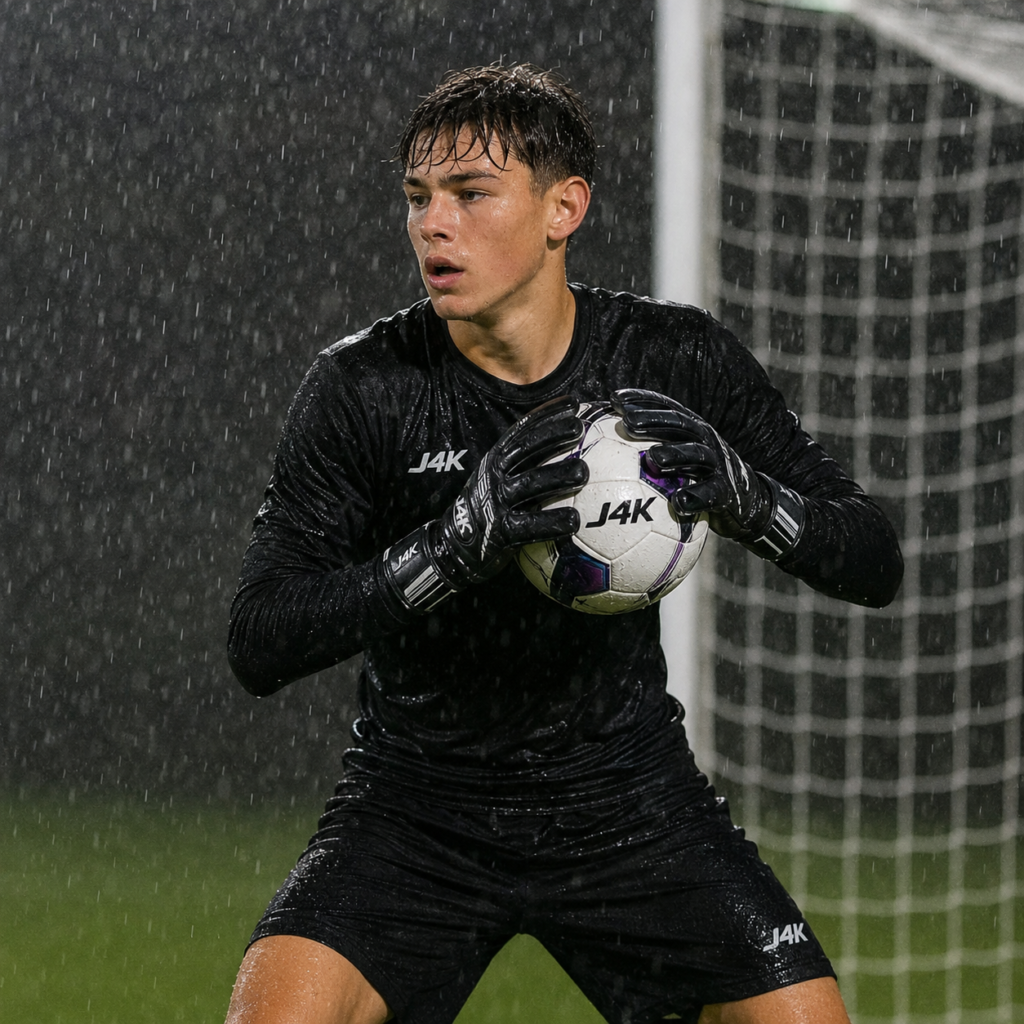
What Goalkeeper Glove Palm Should You Choose?
Most goalkeepers searching online for wet-weather gloves are looking for one specific goalkeeper glove model.
I think there is a better question to ask:
What goalkeeper glove palm is best for the conditions I play in?
For wet weather, my two main choices are Contact Foam and Giga Grip.
1. Contact Foam Goalkeeper Gloves
Contact Foam is extremely popular with professional and high-level goalkeepers.
Many Contact Foam goalkeeper gloves arrive with a thin protective plastic film covering the palm.
Once you remove that film, you will normally notice immediately how tacky and sticky the latex feels.
That tackiness can provide an excellent feeling when catching and securing the soccer ball.
Why Do Goalkeepers Like Contact Foam?
Contact Foam can offer exceptional grip in the right conditions.
If you play primarily on clean, professionally maintained natural grass surfaces, Contact Foam can be an excellent option.
However, there is an important downside that youth and recreational goalkeepers should understand.
Why Contact Foam Can Be Difficult on Poorer Surfaces
An extremely tacky palm does not only stick to the soccer ball.
It can also attract:
Sand
Dirt
Dust
Soil
Grass debris
Rubber infill from artificial turf
If you dive onto a dry or sandy soccer field, some of this debris can stick directly to the palm.
That can make keeping the glove clean and maintaining the original grip more difficult.
This does not mean Contact Foam is a bad goalkeeper glove palm.
Far from it.
On a high-quality playing surface, it can be fantastic.
But if you regularly play on different surfaces, I would also seriously consider Giga Grip.
2. Giga Grip Goalkeeper Gloves
For many youth, high school, club and recreational goalkeepers searching for the best goalkeeper gloves for wet weather, Giga Grip would be one of my preferred options.
Giga Grip does not normally have the same extreme tackiness as Contact Foam straight out of the package.
However, this is where Giga Grip becomes particularly interesting for wet-weather goalkeepers.
Once moisture gets into a quality Giga Grip palm, the grip can become excellent.
This makes it a very good option for goalkeepers regularly playing in rainy conditions.
Why Giga Grip Can Work Well for Youth Soccer
Youth and club goalkeepers often play on completely different surfaces from one game to the next.
One weekend you may play on a wet natural grass field.
The following week you might play on a dry public field.
Your midweek training sessions may then take place on artificial turf.
Because of these changing conditions, Giga Grip can offer a very useful balance between grip, wet-weather performance and practicality.

Contact Foam or Giga Grip?
There is no single answer that works for every goalkeeper.
Consider Contact Foam if:
You regularly play on excellent natural grass fields
Your playing surfaces are normally clean
You want maximum initial tackiness
You play mainly on professionally maintained fields
Consider Giga Grip if:
You play youth, club, high school or recreational soccer
You regularly play in wet weather
You move between natural grass and artificial turf
Your fields can be muddy, sandy or unpredictable
You want a good balance between grip and practicality
The key is choosing a palm that matches the conditions you actually face rather than simply choosing the goalkeeper glove with the biggest name or highest price.
Do Not Choose Goalkeeper Gloves Based on Price Alone
When buying goalkeeper gloves, it can be tempting to concentrate on things such as:
Price
Color
Design
Brand
Professional goalkeeper endorsements
But none of these automatically tells you whether the goalkeeper glove will perform well in wet conditions.
You could spend a lot of money on a goalkeeper glove that uses the wrong palm for the surfaces you play on.
Likewise, another glove with the correct palm may offer much better performance for your particular conditions.
This is why understanding goalkeeper glove palm technology is so important.
What About J4K Goalkeeper Gloves?
Obviously, I would love you to consider J4K Goalkeeper Gloves.
However, goalkeeper gloves are extremely personal.
When I played professionally, there were goalkeeper gloves I loved and other gloves that simply did not feel right for me.
Every goalkeeper is different.
So rather than simply telling you that one J4K goalkeeper glove is automatically the best choice, I would rather help you understand what you should be looking for.
If you choose J4K, fantastic.
If you prefer another goalkeeper glove brand, look at the palm specifications and find out whether the glove uses Contact Foam, Giga Grip or another palm designed for wet-weather performance.
The Best Goalkeeper Gloves for Wet Weather Start With the Palm
If you remember only one thing from this article, make it this:
Do not just ask, “What are the best goalkeeper gloves?”
Instead ask:
“What goalkeeper glove palm is best for the surfaces and conditions I play in?”
For wet-weather soccer, my two main options would be:
Contact Foam – a fantastic option for goalkeepers playing on clean, high-quality surfaces who want maximum tackiness.
Giga Grip – an excellent option for youth, club and recreational goalkeepers who regularly play in wet conditions and on a mixture of surfaces.
The most expensive goalkeeper glove is not automatically the best goalkeeper glove.
The glove worn by your favorite professional goalkeeper is not automatically the best goalkeeper glove either.
The best goalkeeper glove is the one that works for your hands, your playing surface and your conditions.
That is a much smarter way to find the best goalkeeper gloves for wet weather.
Get More FREE Goalkeeper Help, Advice and Guidance
If you are a goalkeeper or the parent of a goalkeeper and you would like more FREE goalkeeper help, advice and guidance, join the J4K Total Goalkeeping Online Community completely FREE.
Inside the community you can:
Get FREE help and advice from ex-professional goalkeepers
Ask questions about goalkeeper training, gloves, mindset and development
Access FREE goalkeeper resources
Learn from goalkeepers and goalkeeper parents from around the world
Get guidance to help you or your goalkeeper child improve
Have the chance to WIN J4K Goalkeeper Gloves every single week
Join the J4K Total Goalkeeping Online Community Today — Completely FREE